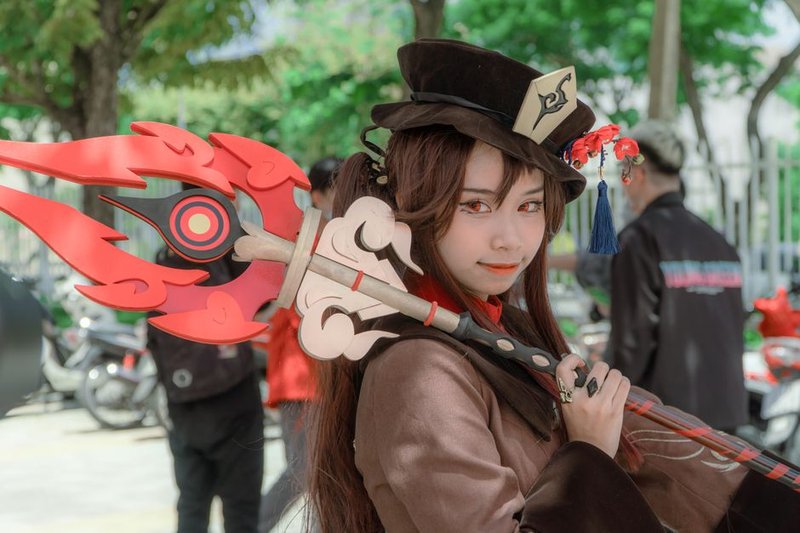
How Cel-Shading Tricks the Eye Into Believing 2D
A breakdown of the shader techniques behind flattened lighting and ink-line outlines, and why the effect still fools players decades after its debut.
From El Gouna, we dig into anime-style games and the visual craft behind their cel-shaded charm, one feature at a time.
Explore FeaturesNew feature breakdowns and visual-style deep dives land regularly — no fluff, just the games and the art behind them.
I've been chasing anime-style games since my first PS2, and this is the only blog that actually talks about shader work and line-art instead of just rating graphics as 'pretty'.
The feature on cel-shading pipelines changed how I look at art direction entirely. I sent it to three friends before I even finished reading it myself.
Most sites just recycle press releases. This one actually breaks down why a game's visual style works or doesn't, with real screenshots and comparisons.
A small, focused lens on cel-shaded and anime-inspired games, run by people who actually play them.
We treat art direction as the main story, not an afterthought squeezed into a review's last paragraph.
No sponsored placements dictating coverage — just genuine picks from people who track this niche closely.
We look at shader techniques, palette choices, and animation style, not just gameplay loops and scores.
Written from El Gouna, Egypt, with a global eye on indie and mid-size anime-style releases worth your attention.
A rotating shortlist of cel-shaded and anime-style titles that shaped how we think about visual style in games
Often cited as proof that 3D models can read as hand-drawn animation, its cel-shaded fighters set a benchmark still referenced today.
A lesser-discussed pick that pairs folklore-inspired art with painterly cel-shading, blending farming sim mechanics with striking visual restraint.
An early and influential example of cel-shading in a major release, still cited in art-direction discussions two decades later.
A quieter indie standout with pixel-and-cel hybrid visuals, showing how retro sensibilities and anime-adjacent charm can coexist.
A mainstream anchor whose stylized shading and painterly lighting sparked wider conversation about cel-shaded open-world design.
An underrated fusion of hand-painted backgrounds and anime-style character art, often overlooked next to bigger-budget releases.
Recent features and breakdowns from our ongoing coverage of anime-style visual craft
A breakdown of the shader techniques behind flattened lighting and ink-line outlines, and why the effect still fools players decades after its debut.
We look at how solo and small-team developers approach color and shading choices without the budget of major studios behind them.
Comparing art direction choices across a decade of releases to understand which stylistic decisions hold up and which feel dated.
A closer look at the technical differences often blurred in casual conversation, with side-by-side examples from recent releases.
We compiled reader submissions of overlooked games with striking visual style, several of which rarely appear on best-of lists.
Cel-shading refers to a rendering technique that flattens lighting and adds outline effects to mimic hand-drawn animation. We use the term for games that lean visibly into this style rather than photorealistic rendering.
No — we split coverage between well-known titles and smaller indie projects, since some of the most interesting visual experiments come from teams working outside major studio budgets.
We're written from El Gouna, Egypt, though our coverage looks at releases and developers from across the global gaming scene, not just local titles.
New pieces go up on a rolling basis as games and topics catch our attention — there's no fixed weekly quota, since we prioritize depth over speed.
Yes, we occasionally compile reader-suggested titles into features, particularly for underrated or overlooked cel-shaded games that deserve more visibility.